A guide to challenging conversations
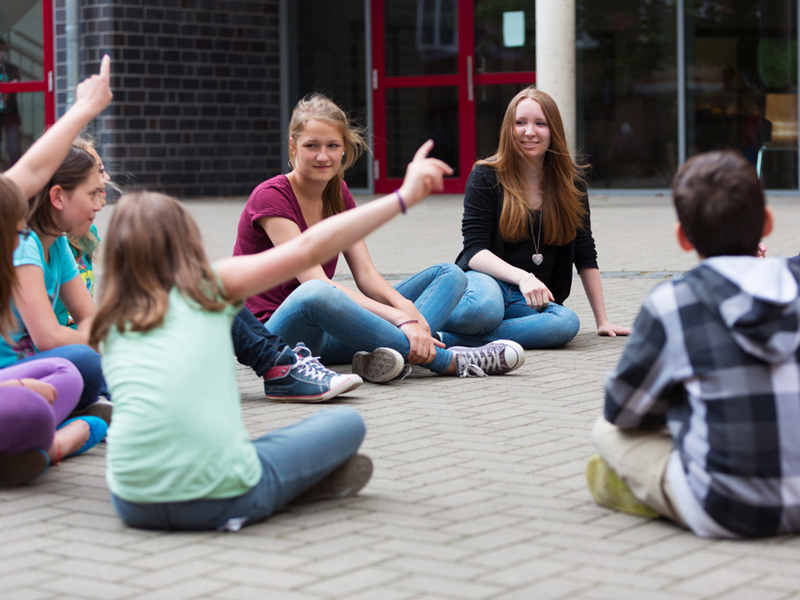
Navigating issues-based discussions in the classroom can be challenging, especially when the issue or topic encourages different perspectives.
Download this resource
These strategies for having challenging conversations can be used to:
- discuss and acknowledge that people's perspectives may be informed by lived experiences, including family, community and cultural background
- explore multiple perspectives
- develop an understanding of language and its uses in different contexts and for different effects
- develop critical and creative thinking skills
- develop student voice and agency
Futhermore, the resource can be used to develop debating and deliberation skills across different curriculum areas, including Civics and Citizenship, History and English, or any subject that is engaging in discussion or debate
This resource provides strategies that are flexible and adaptable, taking into account teaching context, the age of the students, appropriateness of the topic, the depth of discussion, as well as school and community expectations.