Imagining what parliament could be
16 December 2025

Ask members of parliament what they would like to see changed about the way the institution operates and you get a variety of views.
‘The more diversity we bring into parliament, the better decisions we make for all Victorians, and not just the people who are in this place,’ says Georgie Purcell, Legislative Council Member for Northern Victoria.
Ms Purcell is a strong advocate for expanding representation to better reflect the broader Victorian population, across age, gender and ability.
She believes young people and people of colour have long faced insufficient representation in parliament.
‘Traditionally, it’s been harder for certain communities because of biases, whether conscious or unconscious.’
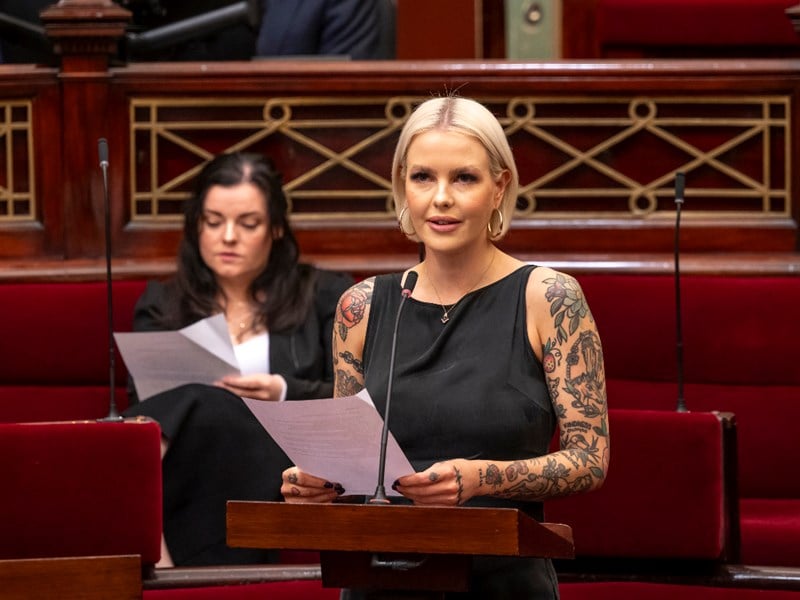
With the introduction of family-friendly hours and a childcare room, Ms Purcell notes that change is slowly happening, especially in gender parity, but emphasises there is more work to be done.
The absence of parliamentarians who reflected her own background and lived experiences was a factor in why she had never thought of running as a candidate before 2022.
‘Until we start to change and people look at our parliament and think, hey, I can relate to that person, nothing will change,’ she says.
Also recognising the need to move with the times, Michaela Settle, Legislative Assembly Member for Eureka, wants to adjust a tradition of parliament inherited from a previous era.
She considers that the custom of beginning each day with a prayer tailored to one religion falls short in ‘representing all of our communities and all of our faiths’.
While noting that it’s not a number one priority, she offers up an alternative idea that would enable people to uphold their own beliefs.
‘I would like to see us have a moment of reflection so that people can choose to pray in their own way and to their own God,’ she says.
The tradition of opening with prayer has been a procedure in the Victorian Legislative Council since 1857, with the Legislative Assembly adopting the practice in 1928.
As multiculturalism and religious diversity have grown significantly in Victoria since then, Ms Settle indicates that it has been a topic of discussion in parliament over several years.
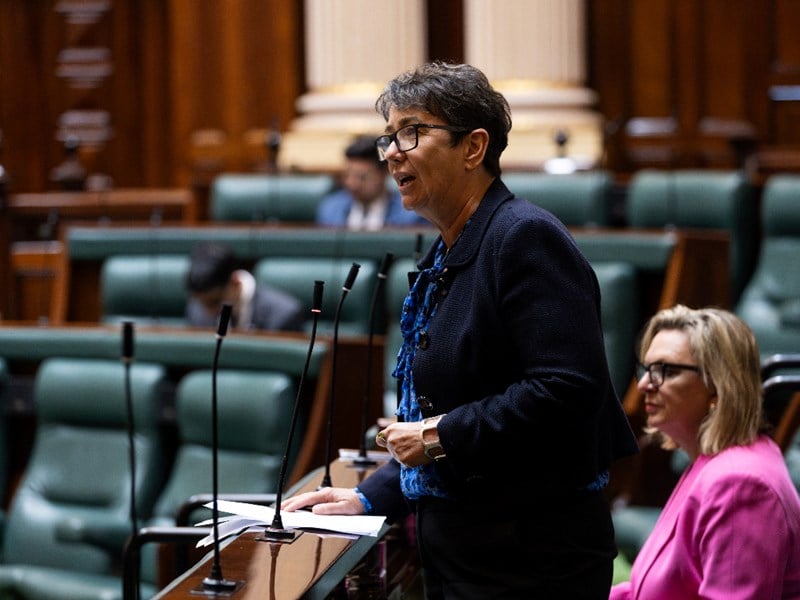
Changing this custom is a challenge, she admits. But some MPs, including herself, have made the personal choice not to attend the daily opening.
‘I like to think that there are quite a few people that would agree that it needs to change,’ she says.
As for Michael O’Brien, the Member for Malvern in the Legislative Assembly for almost twenty years, he hopes there could be ‘structural changes that would make the institution better’.
He would like to see more bipartisanship in the way parliament conducts its business.
‘The longer I'm here, the more I realise that not all wisdom resides in the one party,’ he says.
‘I've been fortunate to serve as a minister, treasurer, shadow minister and opposition leader. So I've seen it from both sides of the fence.
‘I think that quite often there are some very good ideas that opposition parties or minor parties can put forward, but there's almost like a sense of ego, political ego, that kind of prevents governments from saying, “actually, look, that's not a bad idea. Hey, we're prepared to adopt that”.’
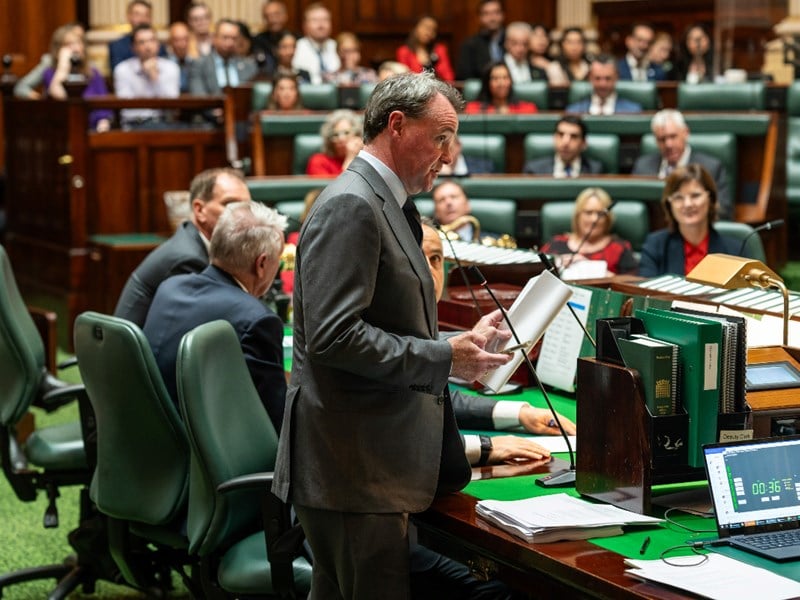
Mr O’Brien highlights how important parliamentary committees are in enabling political compromise between parties and expresses a desire to see their influence strengthened.
‘It’s one of the main avenues we actually could have people working in a bipartisan way, away from the media spotlight, to try and deal with issues and come up with bipartisan agreement on how to tackle things,’ he says.
Mr O’Brien points out that parliamentary committees are a ‘sensible way’ for the opposition and minor parties to contribute ideas, allowing them to provide input for legislative changes and examine the ‘social and economic issues that we have in the state’.
While perspectives among MPs may differ, there is a common recognition that parliament needs to evolve and adapt.
Whether it’s through diversifying representation, modernising parliamentary practices or fostering bipartisanship, the hope is to have a parliament that reflects and addresses the needs of a continually changing society.
About the Author

Tara Atley
A participant in the Parliament Express program conducted by the Parliament of Victoria in partnership with Express Media. The program provided mentoring and engagement experiences, leading to a series of articles written by young Victorians for the Victorian Parliament's website.