All about elections
12 August 2026
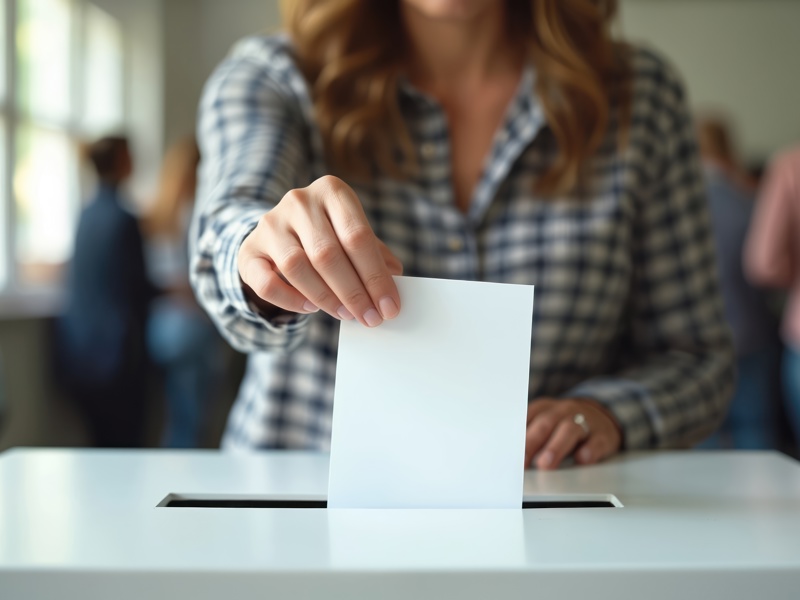
With the 2026 Victorian Election just around the corner, we’ve put together a list of handy resources to help you and your students explore all the different parts of the election process, and most importantly, how students can have their say even if they are not yet old enough to vote.
Probably one of the most important things to keep in mind when thinking about the Victorian election and its processes, is that Victoria is a representative democracy. Our Representation and democracy teacher guide explores what this means, different representation models, and how different types of decision making can affect people’s lives. The resource includes a range of other resources, including links to the National Geographic’s visual representation of different forms of government around the world.
Elections and election processes
- The Victorian Electoral Commission’s website has everything you need to understand how elections work. The voting section has loads of information on how voting works and there’s also an interactive map where you can look up the electorate details of any location in Victoria. This is a great link to three levels of government and the differences between the lower and upper house.
- Changes to the voting processes for the Legislative Council (upper house) have recently passed through parliament. You can read about the bill through the Library research paper Electoral amendement micscellaneous matters bill 2026 and the Parliament of Victoria news article Voting reform. And if you're interested in the passage of the bill through parliament, you can see the timeline and access key speeches as well as the bill itself at the Victorian Legislation website.
- The blog post Pencils and paper: the future of the Australian election? considers whether or not Australia could, and should, move to electronic voting. The blog was written in 2022 and links to a committee report that also investigated the use of electronic voting.
- State-wide elections are not the only elections relevant for Parliament of Victoria. The blog post Alternative elections: What happens when someone leaves parliament? provides some details and examples of how new members of parliament can be elected outside of the state election.
Electoral boundaries
- There are 88 electoral districts for the Legislative Assembly (lower house). The resource Electorate data cards has a snapshot of population data from the 2020 census for each of the lower house electorates and the whole of Victoria, for comparison. Students can use these cards to explore what sort of support constituents might be looking for from their local member of parliament.
- The news article Shaping Victoria's electoral boundaries links to a research paper from the Parliamentary Library that looks at how the decisions around electoral boundaries have changed over time.
Young people and elections
- The news article An age-old voting dilemma provides an overview of some of the history of the voting age and considers whether it is time to lower the voting age.
- Being heard and taking action blog post explores the different actions students can take to have their voices heard, even if they are not able to vote.
- Leadership and advocacy in the classroom is a blog post that brings together a range of leadership resources to use with students, including a video series where members of parliament reflect on their leadership experiences.
- Engaging with parliament downloadable digital posters can be used to build student's understanding of and how they can use their voice to advocate for change and how they can take part in some of Victoria's democratic systems, even before they can vote.