Action and influence
15 February 2023
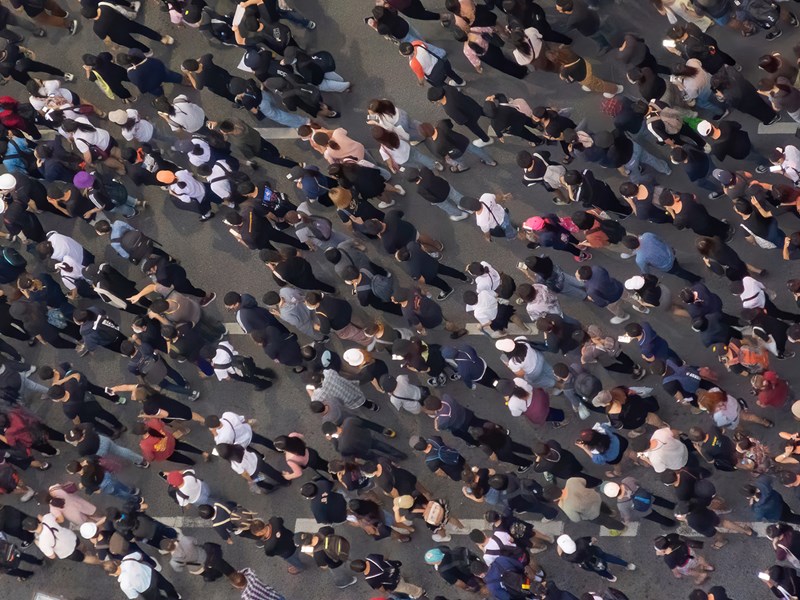
This resource explores the different actions people can take to create change, and the nature of their influence, from small-scale, local outcomes to coordinated actions that can have global impact.
Through the activities provided in this teaching guide, students can explore:
- different actions and how they contribute to civic life
- the concepts of and differences between civic participation, advocacy and activism
- the direction, pace and scale of different actions and how they work to bring about change.
- the effectiveness and consequences of action and evaluate its impact
- developing an action-based project
- the causes and effects of actions in conjunction with case studies.
Classroom connections
This resource is appropriate for Grades 5 through to Year 10, specifically when investigating concepts around active citizenship, and historical examples of actions that have resulted in change.
Grades 5 & 6
At Grades 5 & 6 students “investigate how people with shared beliefs and values work together to achieve their goals and plan for action” (VCCCC016), and consider what role people can have through explaining “how state/territory and federal laws are initiated and passed through parliament” (VCCCL012).
Years 7 & 8
At Years 7 & 8 students discuss “the freedoms that enable active participation in Australia’s democracy” (VCCCG019) and “explain how citizens can participate in democracy, including the use of the electoral system, contact with their elected representatives, use of lobby groups, interest groups and direction action” (VCCCG020).
Years 7 to 10
At Years 9 &10 students “analyse contemporary examples and issues relating to Australian democracy and global connections” (VCCCC035), “discuss how and why groups, including religious groups, participate in civic life” (VCCC037) and “examine the influence of a range of media, including social media, in shaping identities and attitudes to diversity and how ideas about Australian identity may be influenced by global events (VCCCC038).
Related resources
Three levels of government flashcards
This resource explores which level of government is responsible for particular services and issues, and therefore consider which level of government they could contact or direct their actions towards.
The workday revolution
This resource can be used as a case study where students explore the different actions that were taken, resulting in the passing of legislation for the 8-hour workday.
Changing the ways we work
So much about the way we live and work has changed in the more than 165 years since the 8-hour workday law was introduced. This teaching guide explores some of these changes, especially how the nature of work has changed, including the use of digital technologies, and the impact of these changes on our work-life balance.
Parliament Prize
The annual competition invites students to create a video talking about issues that are important them, and consider what they would to parliament if they were an MP. The resources that accompany the Parliament Prize can be used to explore the different speeches delivered in parliament, as well as the potential impact people can have after contacting their Member of Parliament.