Revealing a hidden episode of parliamentary history
24 July 2026
Read research paper
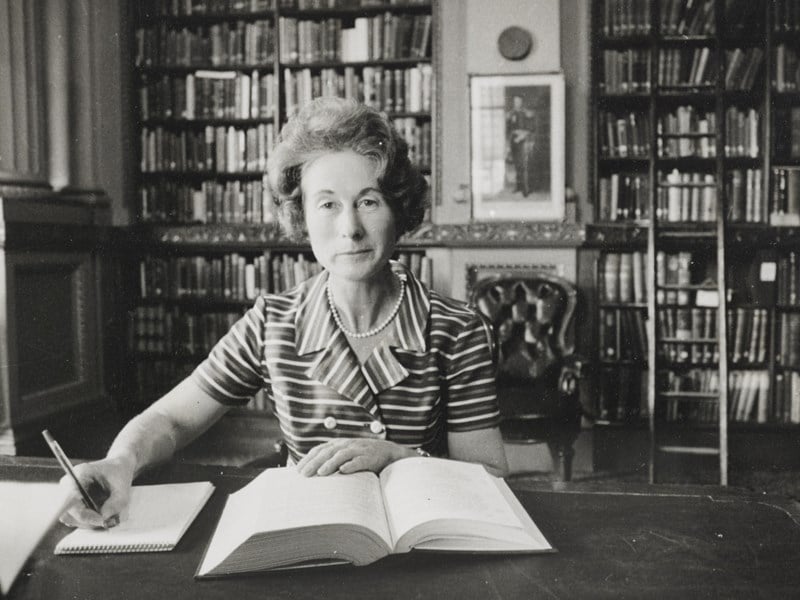
For many, Victoria’s political history is created in the parliamentary chambers, yet important stories about social change have also unfolded in a far quieter place: the Parliamentary Library.
What began as an exclusively male institution has, over the past century, become a workplace led largely by women, a transformation that mirrors Australia's broader move towards equality.
This year marks two anniversaries that make that story particularly significant: the Victorian Parliamentary Library's 175th year and the centenary of a 1926 decision to advertise library positions specifically for women.
A new research paper by the Parliamentary Library explores the changes that transformed a key parliamentary asset.
In November 1926, Victoria's Parliamentary Library Committee resolved to create two junior library positions and recruit women graduates to fill them. The decision came just months after the passage of Victoria's Women's Qualifications Act 1926, which made it illegal to exclude women from employment based solely on their sex.
Applicants needed a university degree, references from respected members of society, and preferably knowledge of library classification systems. They also had to be under 25 years old.
The advertised salary of £156 a year prompted criticism in the press, with some commentators arguing that university graduates deserved far better pay.
Thirty-one women applied. After extensive interviews, the committee selected Flora Brennan and Mary 'Mollie' Clark, who became the first female employees of Victoria's Parliamentary Library in 1927.
Their appointment generated newspaper coverage across Melbourne. One newspaper described the move as a 'tardy recognition' of women's suitability for library work. What seemed a small staffing decision at the time would ultimately reshape one of Parliament's most important institutions.
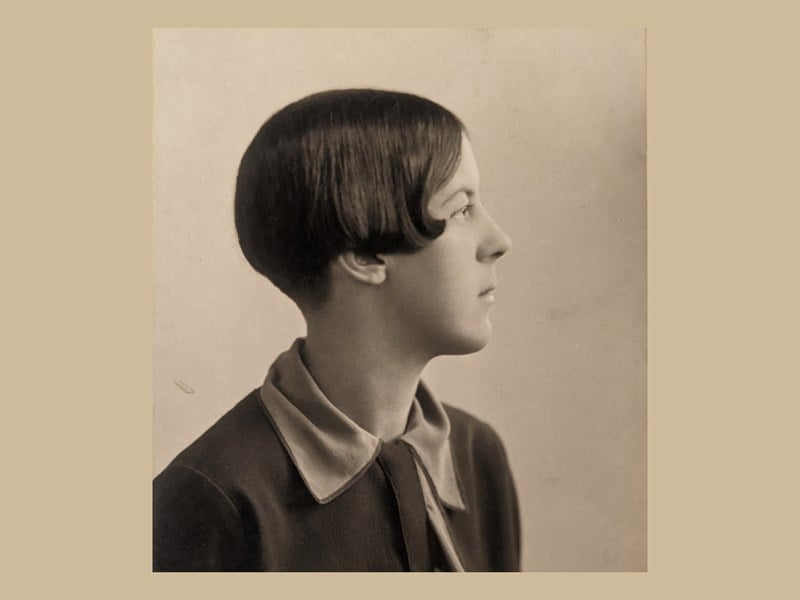
The timing was no coincidence.
Throughout the early twentieth century, libraries across Australia were undergoing a dramatic demographic shift. Census data cited in the research shows that while men dominated library occupations in 1911, women became the majority by the 1930s. By the latter half of the century, women overwhelmingly outnumbered men in library-related professions
Women's suffrage, workplace reforms, improved access to higher education, and eventually equal-pay decisions all expanded opportunities. Yet progress was uneven. Women were often concentrated in lower-paid roles while management remained heavily male, a pattern familiar across many female-dominated professions.
At Victoria's Parliamentary Library, while women entered the workforce in increasing numbers, promotion to leadership remained elusive.
If Brennan and Clark opened the door, Josephine McGovern shattered the ceiling.
Hired in 1958, McGovern entered what later observers described as 'an extremely masculine environment'. At the time, women were still unusual in senior parliamentary roles, and Victoria had no female MPs when she joined the library.
McGovern, a former teacher, had studied library science in London and spent part of her overseas years touring Europe with friends in a black taxi they nicknamed Elegance (pictured below).

After years serving as deputy and acting head, McGovern was appointed Parliamentary Librarian in January 1970 following the death of her predecessor. The appointment was groundbreaking: she became the first woman to lead any parliamentary library in Australia or New Zealand.
McGovern understood the significance of the moment. She warned colleagues that her appointment would 'create a precedent' and acknowledged she would need to cope with being the first woman in such a role.
Over the next 16 years, she transformed the library. Under her leadership, research services expanded, information technology was introduced, acquisition policies were modernised, and the institution evolved from a traditional book repository into a modern information service for parliamentarians.
Significantly, by 2005 women consistently formed the majority of the library workforce. Today, the majority of the library’s staff are women, including all leadership positions.
From an historical perspective, one of the recurring frustrations referenced in the title of the research paper is that photographs in which women library staff appear remain unnamed, recorded simply as 'unidentified female librarian'.
Yet the story of Victoria's Parliamentary Library demonstrates why those women deserve recognition.
They were not merely custodians of books. They helped build one of Parliament's key institutions, navigated discriminatory workplace expectations, pioneered new professional roles, and transformed a male preserve into a modern workplace.
In doing so, they left a legacy that extends well beyond library shelves.