Watching the watchdogs
16 September 2026
As Victoria’s 60th Parliament draws to a close, members of a parliamentary watchdog say their work over the past four years has reinforced important accountability functions that are vital for strengthening public trust in the state’s democratic institutions.
First established in 2019, Parliament’s cross-party Integrity and Oversight Committee monitors and reports on the performance of several integrity agencies that are themselves the state’s watchdogs, including the Independent Broad-based Anti-corruption Commission (IBAC) and the Victorian Ombudsman.
According to committee member Ryan Batchelor, Labor Member for Southern Metropolitan in the Legislative Council, the committee plays a vital role in ensuring those agencies remain transparent and accountable to the Victorian public.
‘We monitor the annual performance of the agencies, review policy issues, scrutinise their annual plans and audit their performance,’ Batchelor says.
‘If we weren't asking hard questions, then we would be letting down the people because there would be a deficit in accountability.’
The committee has a total of eight members, drawn from both houses of parliament and from across the political spectrum.
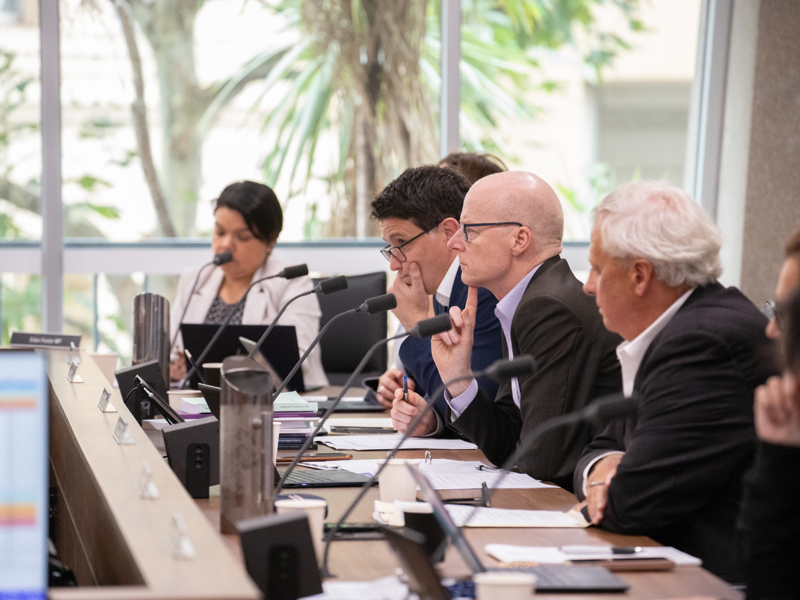
Deputy Chair Kim Wells, the Liberal Member for Rowville in the Legislative Assembly, believes accountability remains fundamental to maintaining confidence in public institutions.
‘There can't be a public body not being accountable to Parliament,’ he says.
The committee's work recently included an inquiry into the adequacy of annual funding for IBAC, the Ombudsman and Integrity Oversight Victoria. The resulting report made 18 recommendations aimed at improving transparency and accountability across the agencies.
It also examined whether Victoria's anti-corruption framework remains fit for purpose through its inquiry into the legislative framework governing IBAC.
This work comes as concerns persist about declining political engagement, particularly among younger people.
However, building awareness of the committee's efforts remains a challenge.
Committee Chair Tim Read, Greens Member for Brunswick in the Legislative Assembly, acknowledges that integrity agencies often attract public attention only when problems emerge.
‘I think integrity agencies are not necessarily front of mind for people. Until something goes wrong, and then suddenly everybody's paying attention,’ he says.
According to Read, agencies such as IBAC have had to balance their efforts at raising public awareness of their work against budget constraints.
‘With IBAC's limited budget, you wouldn't want it spending a lot of money on advertising,’ he says.
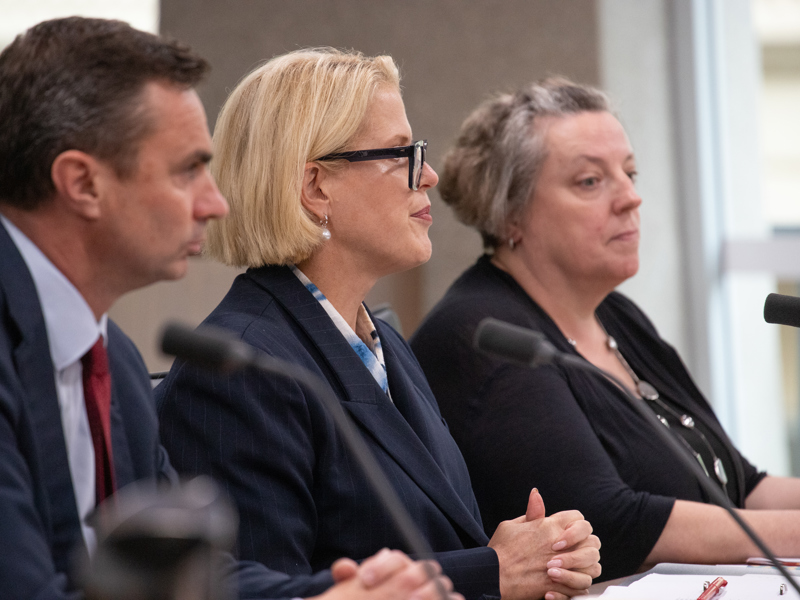
Committee members say the diversity of political representation helps strengthen scrutiny and accountability.
Read points to the committee's unique structure, which requires a non-government member to serve as chair.
‘It's the only active committee that's got a legislated non-government chair,’ he says.
He believes the arrangement encourages a balance of perspectives, with government and non-government MPs bringing different approaches to oversight.
The committee also conducts public hearings when appropriate, providing opportunities to explain the work of integrity agencies and increase public understanding of their role.
Public hearings, Read says, help fulfil the committee's educational function by allowing Victorians to better understand ‘what they do for the Victorian community’.
For Wells, the committee's purpose ultimately comes back to trust in democratic institutions.
‘It's important that these oversight bodies are accountable to someone, and the committee is that body that reports through to Parliament,’ he says.
As debates around integrity, transparency and political engagement continue, committee members argue that robust oversight will remain essential to maintaining public confidence in Victoria's democratic institutions.
About the Author

Saskia de Leeuw Kyle
A participant in the Parliament Express program conducted by the Parliament of Victoria in partnership with Express Media. The program provided mentoring and engagement experiences, leading to a series of articles written by young Victorians for the Victorian Parliament's website.