Honouring tradition, embracing change
7 August 2026

As Victoria's Parliament marks its 170th anniversary in 2026, the milestone invites reflection on how it has evolved, the ongoing relevance of its traditions and what its future may hold.
The Parliament of today looks markedly different from the one that first sat more than a century and a half ago.
Yet debate continues over how Parliament should modernise while preserving the stability offered by long-standing traditions.
Members of Parliament have a variety of views on how an institution founded in the 19th century can balance ongoing calls for renewal with the enduring value of its conventions.
Labor Member for Narre Warren South in the Legislative Assembly, Gary Maas, is proud of the varied perspectives that diverse MPs bring to the Parliament.
‘Different perspectives are what make this place hum,’ he said. ‘The more diversity you have in this place, the better the laws will reflect everyone in our society.’
One of the most significant changes in the make-up of the Victorian Parliament has been the increase in the number of women MPs, from none in 1856 to 65 out of 128 MPs in 2026.
‘It is encouraging to see that this place does look a lot different to what it did 20 years ago,’ Maas said. ‘My view is our party and our Parliament are all the better for it.’
He also believes that having broad age groups in the Parliament leads to better outcomes.
‘There is nothing better than having the energy of the youth together with the wisdom of more senior people,’ Maas said. ‘I think it's absolutely essential that we have that new perspective leading into our more experienced people.’
Yet youth representation remains a challenge.
Despite young people making up almost 40 per cent of Victoria’s population, there are currently no MPs under 30 in Parliament.
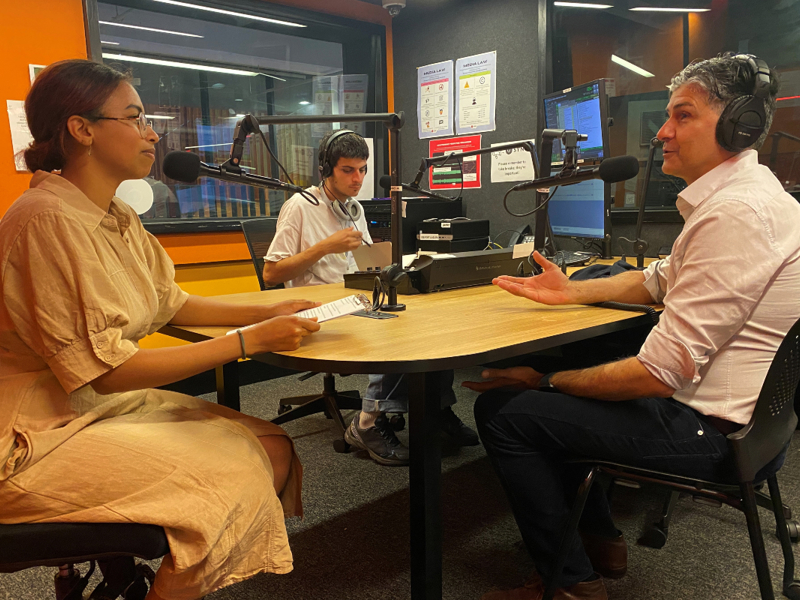
At the same time Maas sees value in retaining Parliament’s traditions.
‘It’s worked for 170 years. The system’s not perfect. It does take time to get things done right, but that’s the nature of the adversarial Westminster system that we have here.’
He looks to the future of Parliament with hope.
‘If we keep these principles in place, these pillars of democracy, then it’ll be okay.’
Liberal Member for the Western Metropolitan Region in the Legislative Council, Trung Luu, also sees diversity as central to effective law-making.
‘In Parliament, we should strive to represent all members of the community,’ he said. ‘It demonstrates fairness and supports our very principle of democracy.’
Luu believes that bringing people with different cultural and vocational backgrounds into Parliament strengthens decision-making.
‘In many ways, it builds trust and confidence when the right policies, the right legislation are put through.’
Beyond representation, Luu sees community accessibility as a key area for improvement.
He believes social media and technology can modernise debates and consultations to assist the law-making process.
‘There's room for practical improvement, basically connecting to the public and being more engaging and accessible.’
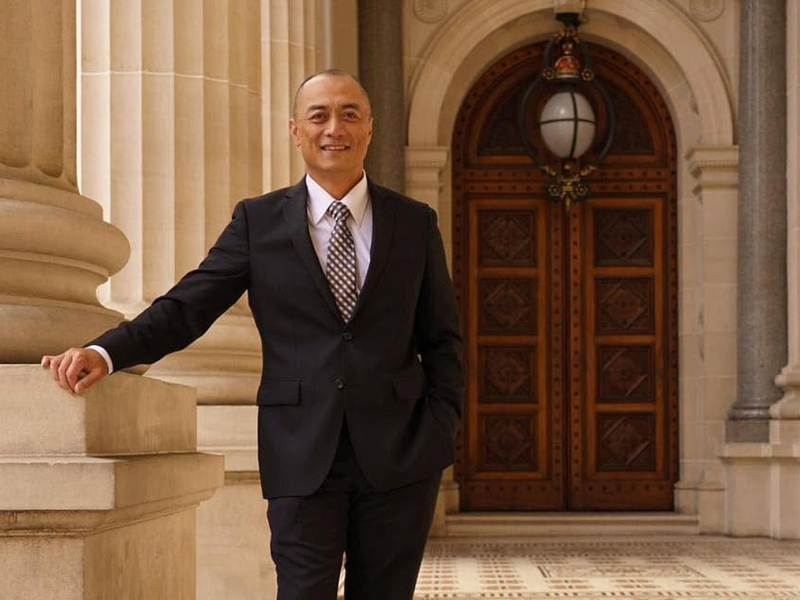
As for the traditions of Parliament, from its law-making processes to its ceremonies, Luu believes they should be retained to uphold history and maintain trust with society.
‘While it may not fully represent the modern society at the moment, that's what makes Parliament so unique, and our business is to preserve the fundamental protocol itself,’ he said.
‘That’s a part of our history, our society, and we should conserve that, that's what makes our society so great. If you start changing everything just to fit into modern day, then you lose that sense of credibility and traditions that we have.’
Luu emphasised that law-making should not be rushed, arguing that the debate process is essential to avoiding unintended consequences.
‘Once the law is passed, it can last for generations down the track, so it's important that we go through step by step: how does the legislation reflect society as a whole now and those in the future as well?’
One Nation Member for Northern Victoria in the Legislative Council, Rikkie-Lee Tyrrell, believes that different perspectives together with tradition are what keep the institution grounded.
‘Parliament is really inclusive as it is,’ she said. ‘I love the working environment here, the amount of different people I get to meet and learn from and work with.’
Before entering politics, Tyrrell worked as a dairy farmer, a profession not often represented in Parliament.
Public service roles are the most common background among MPs, accounting for 30 per cent, even though only 5 per cent of Victorians work in the public service.
By contrast, only 5 per cent of MPs have experience in trade and blue-collar services despite these jobs making up the largest share of Victorian occupations at 23 per cent.
Tyrrell said her rural farming background has shaped her no-nonsense approach to politics.
As for the traditions in Parliament, Tyrrell enjoys them and views them as essential to maintaining a respectful environment.
‘I really like the fact that we still have to bow to the Chair when we walk in, out, or across the room,’ she said. ‘We are representatives of the people, so we've got to make sure that we represent everybody and we represent them with the utmost respect.’
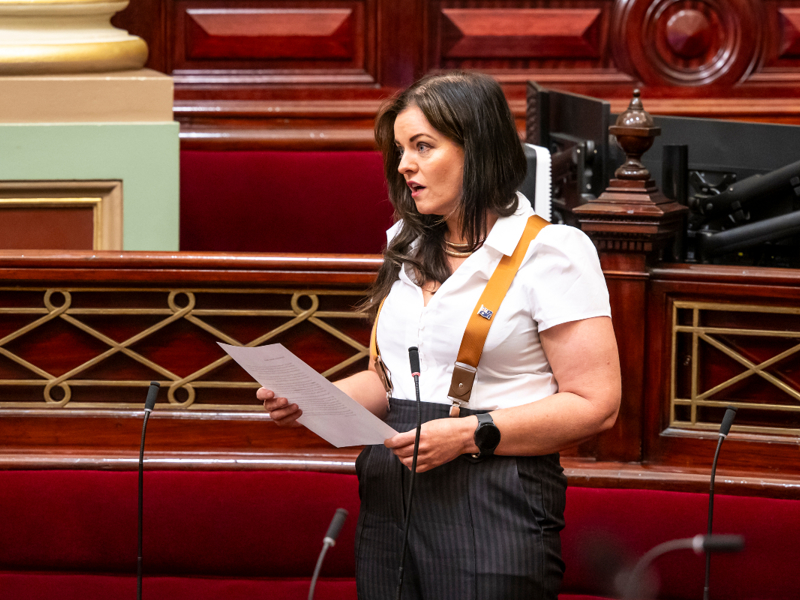
Tyrrell believes that losing traditions means losing camaraderie and respect in and outside of parliamentary chambers.
‘That's Australian tradition, knowing your neighbours, knowing your community, and we're seeing that fade away as communities change, which is really sad,’ she said.
‘A lot of people come to Parliament because of the tradition that it holds, and you can't find many places like that anymore. I think it is important to preserve it, because it is a very critical part of our history, and it's beautiful.’
Over 170 years, Victoria’s Parliament has continued to evolve alongside the community it represents.
For the MPs who work within it, diversity of perspectives is essential to shaping laws that reflect modern Victoria.
Yet they also consider that the longstanding traditions and procedures are important to retain respect and democratic continuity.
As Parliament continues evolving, its future will not be defined by choosing between tradition and modernity, but by finding a balance that will strengthen the institution’s place in a changing society.
About the Author

Carra Morrison
A participant in the Parliament Express program conducted by the Parliament of Victoria in partnership with Express Media. The program provided mentoring and engagement experiences, leading to a series of articles written by young Victorians for the Victorian Parliament's website.