Parents warn public schools have 'become the charity' as funding shortfalls bite
17 April 2026
Parents from an inner‑Melbourne public primary school have warned a parliamentary inquiry that chronic underfunding is forcing families, teachers and volunteers to prop up essential education services.
Appearing before the Legislative Council’s Legal and Social Issues Committee, St Kilda Park Primary School council president Elisa Webb and vice‑president Kara Barbuto said the system was struggling to meet basic needs amid delayed and incomplete government funding.
'We are papering over the cracks in the funding system of public schools,' Ms Webb told the inquiry.
The committee is inquiring into the impact of the Government’s decision to delay increasing Victoria’s public school funding.
The Government delayed raising the state’s public school funding to 75 per cent of the Schooling Resource Standard until 2031. It was previously set to be increased by 2028, representing a $2.4 billion reduction from previously committed funding.
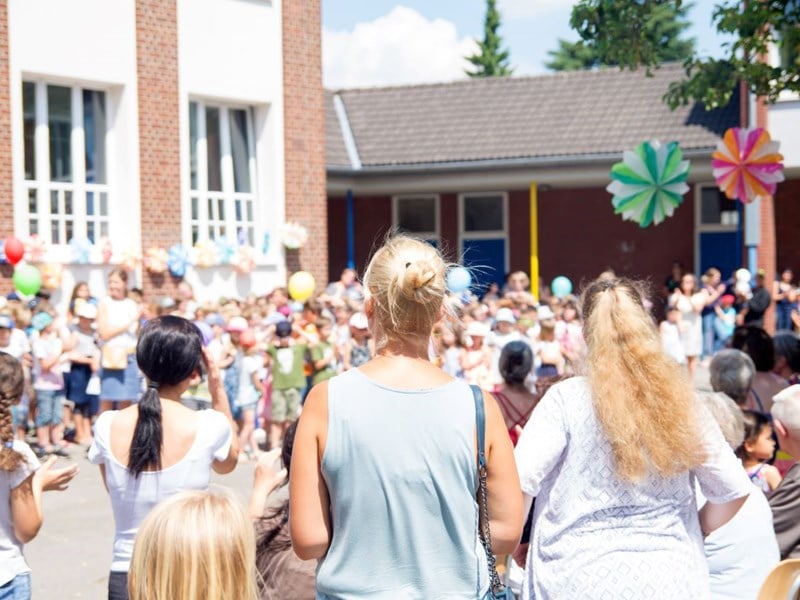
“ 'We do not have anywhere indoor for our school for everyone to fit. So we have assemblies outside, rain, hail or shine,’ ”
Elisa Webb, St Kilda Park Primary School council president
Parents told the committee that community events once designed to bring families together had been turned into relentless fundraising exercises.
The school is running nine fundraising events this year, including fetes, lunches and election‑day sausage sizzles, to cover basic necessities such as camps, classroom furniture and technology mandated by the Department of Education.
One recent fete raised more than $60,000, but required months of unpaid work by parents, teachers and school leadership. Teachers and the principal worked from early morning until late evening, then returned the following day to clean up, all unpaid.
'How can we expect families and staff, particularly staff who are the lowest paid teachers in the country, to continue to devote so many hours of unpaid labour towards an education system that is supposed to be government funded? ‘ Ms Webb asked.
‘Private schools who run events like this often raise money for local charities. That is not an option for us. We have become the charity,’ she said.
Ms Webb told the committee her child returned from school one day to tell her the roof was leaking.
‘Mum, we have got buckets in our classroom because our ceilings when it rains, there is water in the class.’
She said that the capital investment in the school had to be put towards repairing the roof rather than building a new school hall.
'We do not have anywhere indoor for our school for everyone to fit. So we have assemblies outside, rain, hail or shine,’ she said.
Despite serving a relatively socio‑economically advantaged community, St Kilda Park Primary relies heavily on parent contributions to fund services typically regarded as core to a modern school. About 70 per cent of families pay voluntary contributions, currently set at about $890 per child each year. Even so, the funds raised fall short of school needs.
Those contributions are being used to employ a school nurse on a six‑month contract for just four hours a day, leaving the school to 'hope nothing goes wrong' outside those hours.
The committee will table its report in May.