Plant-based protein on the menu
26 June 2026
A Parliamentary Library seminar has explored the increasing demand for food across the world and how Victoria is leading the way in plant-based protein research.
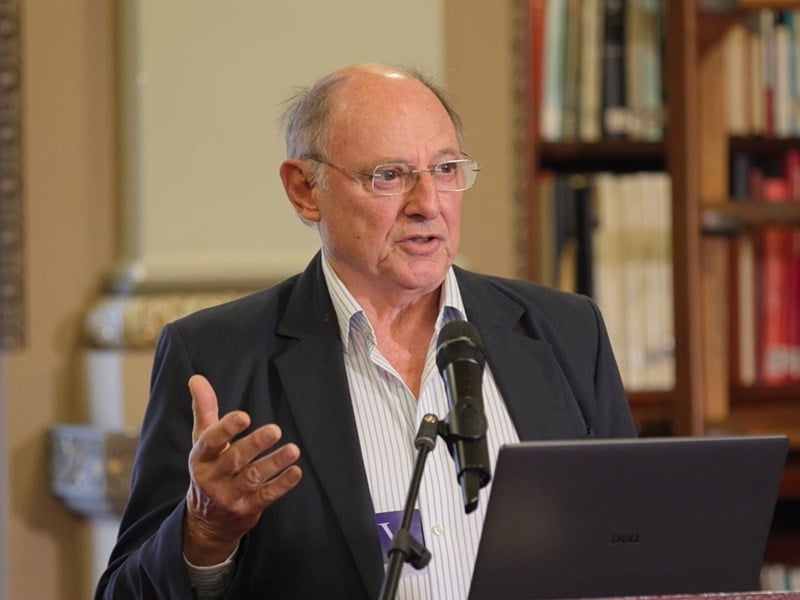
Moderator and University of Melbourne Professor Sandra Kentish was joined by University of Melbourne Professor Sally Gras and La Trobe University Emeritus Professor Tony Bacic.
Professor Bacic told the gathering food needs to be thought about as a sovereign security risk and a nutritional security risk.
‘During COVID, we had five days of fresh food, and 14 days of non-perishable food at the supermarket shelves or in our homes,’ he said.
‘So, the supply chains, or the on-demand supply chains really do not work. And I think we need to think about food as a sovereign security risk.’
“ ‘Regrettably, we waste 30% of what we produce.’ ”
Professor Tony Bacic
‘The farmers are really brilliant at what they're producing. But it's now evident that we're producing energy-rich food, which is nutrient poor. And what that is doing is impacting on our health. So, what we call this is a nutritional security risk.’
As Director of the La Trobe Institute for Sustainable Agriculture & Food (LISAF), Professor Bacic said Victoria is a powerhouse in the production of legumes.
‘So, we produce half of Australia's lentils, and about a third of Australia's faba bean,’ he said.
‘And these are critically important in this sort of nutritional debate that we're having because they're high in protein, they're high in fibre, and they're high in micronutrients and low in fats.’
Professor Gras explained how plant proteins could help reduce greenhouse gas emissions, increase resilience, potentially lower both land and water use, and create regional jobs.
‘There's a regional opportunity for us to process these plant materials here in Victoria, to increase our sovereign manufacturing, and to reduce the reliance on supply chains, which we know at the moment is so important in terms of food and other things in the supply chain,’ she said.
Discussion ensued regarding the value adding happening in Horsham and Smeaton, which is where Victoria has some capacity to process plant ingredients.
Professor Gras said there’s a lot the government can be doing to further stimulate innovation and investment in the processing of plant-based proteins.
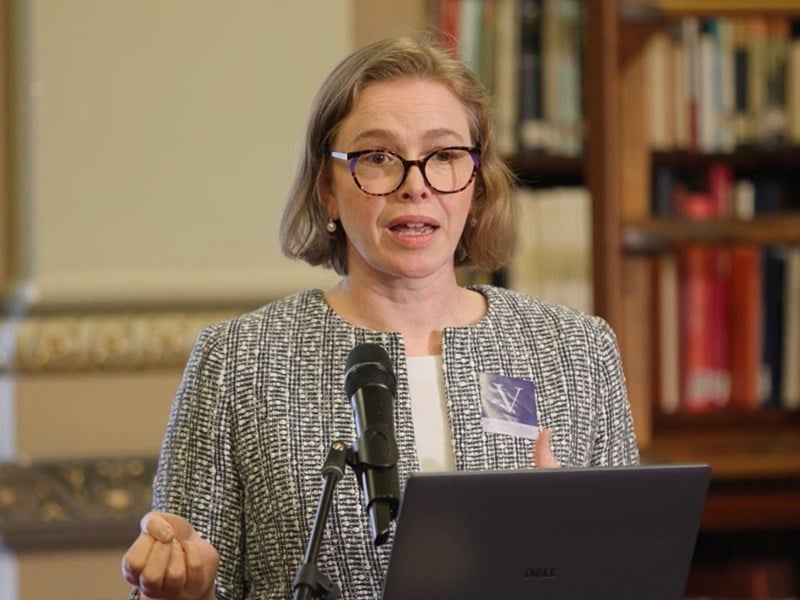
‘Infrastructure is a really big hurdle… And talking to companies, certainly one of the hurdles that they face is around getting the capital for starting new processes. So that's an area where government can assist as well.’
The seminar was presented in partnership with the Australian Academy of Technological Sciences and Engineering (ATSE) Victorian Division.