Low‑sensory voting centres to expand across Victoria
7 April 2026
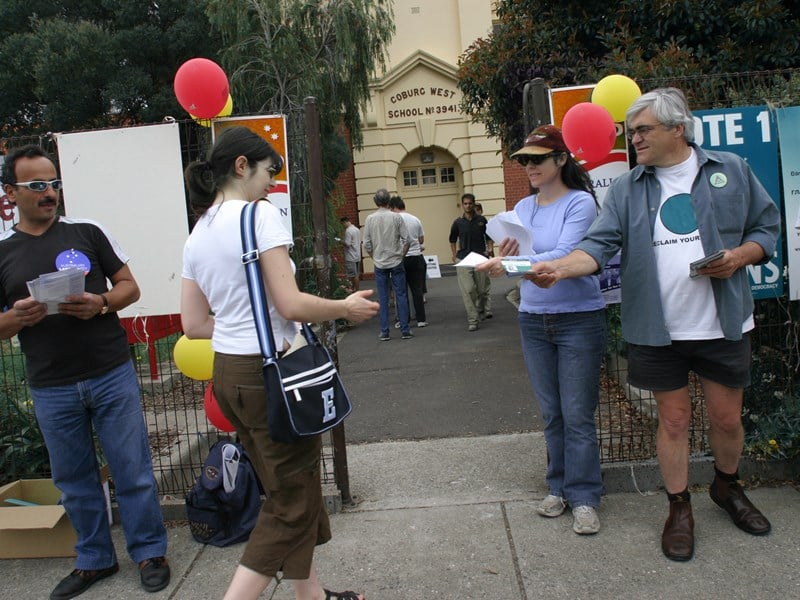
Low‑sensory voting centres will be rolled out across every Victorian electorate at the next state election, making voting more accessible for neurodivergent people who face barriers at traditional polling places, a parliamentary inquiry has heard.
The Victorian Electoral Commission (VEC) told the Electoral Matters Committee inquiry into voting centre accessibility that it will operate low‑sensory mobile voting facilities in all 88 lower‑house districts, marking a significant expansion of an initiative first trialled at recent by‑elections.
Low‑sensory voting is designed to reduce environmental stressors such as noise, bright lighting, crowding and intense interactions with campaigners, factors that can make voting overwhelming or inaccessible for some people, particularly those who are neurodivergent.
The VEC said the initiative was developed directly in response to requests from the disability and neurodivergent communities.
‘Low-sensory voting is something that we can trace very, very directly back to what our reference groups have asked us to do. There’s a really direct through line there, it’s not just us doing what we want, it’s the community telling us, ‘This is what we want’, and then us doing it,’ Electoral Commissioner Sven Bluemmel said.
The first trial took place at the Warrandyte by‑election in 2023, using designated low‑sensory hours within an early voting centre. While the initial model revealed practical challenges around campaigning activity and clarity for voters, the qualitative feedback was overwhelmingly positive.
According to the VEC, every voter who used the low‑sensory option at Warrandyte said they would use it again if available.
A refined mobile low‑sensory voting model was then trialled at the Prahran and Werribee by‑elections in early 2025, allowing the VEC greater control over the physical environment.
Several organisations told the inquiry that other groups could also benefit from low-sensory voting.
Martin Turnbull, from the Council on the Ageing told the hearing that the approach would also help some elderly voters.
‘Expanding the availability of some of that low‑sensory and similar sort of voting times, as has been trialled, would be great for particular sections of the older population, not just those with neurodivergent conditions,’ he said.
Rose Capp from Dementia Australia believed that it would be helpful for people living with dementia and their carers.
Stakeholders have also identified other ways that voting centres could be made more accessible, including better staff training, clearer signage, improved queue management and easier ways for people with disability to get support.
The Commission said accessible voting environments are a fundamental part of our system.
‘When every Victorian can actively participate in their democracy we will all be better for it,’ Mr Bluemmel told the Committee.