Local link: the people behind the MP
24 November 2026

While MPs are the public face of parliamentary representation, much of the work connecting Victorians with their elected representatives happens behind the scenes.
When a Victorian approaches their local MP for help, it is often an electorate officer who first answers the call.
From helping residents navigate government services to raising community concerns, these staff undertake much of the crucial everyday work that keeps Parliament connected to the Victorians it represents.
For Michael Mihaly, an electorate officer to Nationals Member for Eastern Victoria Melina Bath, no two days in the office are quite the same. His mornings often begin with reviewing correspondence and monitoring developments across the region that may affect the electorate and require attention. He then assesses urgent constituent enquiries, checks Bath’s agenda and briefs her on emerging community concerns.
‘On any given day, I may move from assisting a constituent with a personal matter in the morning to briefing the member on a major issue in the afternoon,’ he says.
Behind the scenes, electorate officers prepare ministerial representations, liaise with government agencies and follow up on unresolved constituent matters.
Mihaly describes them as ‘the vital link between the community and their elected representative’.
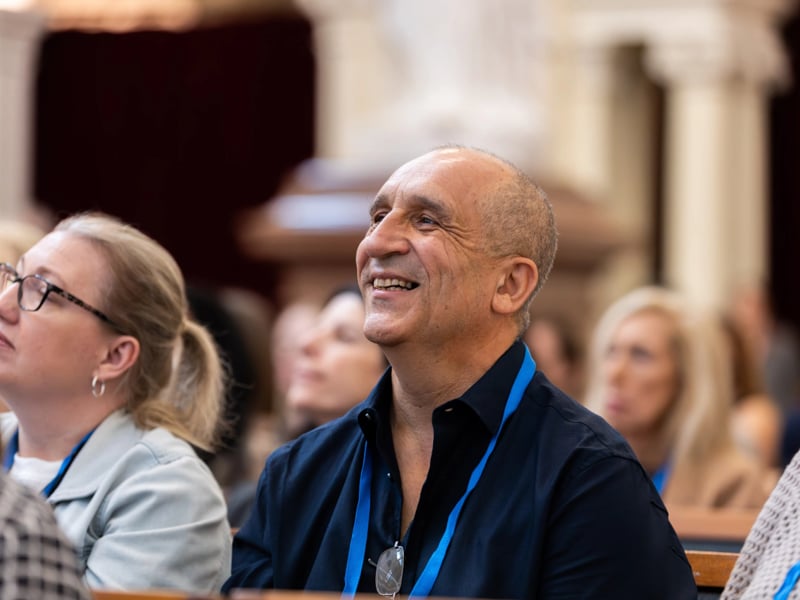
It is a sentiment shared by Labor member for the South-Eastern Metropolitan Region in the upper house, Lee Tarlamis, who worked as an electorate officer before entering Parliament, giving him a unique dual perspective on the role. With MPs dividing their time between parliamentary sittings and community commitments, he says electorate staff provide ‘your presence on the ground when you're not there’.
They are also frequently the first to encounter constituents experiencing difficult personal circumstances, some of whom he says are ‘frustrated because they've been through a lot of different places, and they're coming to you in really kind of dire circumstances’.
‘We couldn't do the jobs we do without the support of our staff,’ Tarlamis says.
For Mihaly, responding to constituents in need of assistance begins with understanding their circumstances on a case-by-case basis.
‘When a constituent contacts the electorate office, my first responsibility is to listen carefully and understand the issue they are experiencing,’ he says.
Enquiries reaching his desk range from housing difficulties, road safety, healthcare, all the way to planning disputes and local government matters, amongst others.
Some can be addressed by providing information or connecting a resident with the appropriate agency, while others require ongoing advocacy.
Mihaly says individual complaints can also reveal broader problems affecting the community. By identifying recurring concerns, electorate officers help inform the matters MPs raise through their parliamentary work.
‘While I cannot always achieve the outcome a constituent is seeking, I can help them understand their options and ensure their concerns are represented fairly and professionally,’ he says.
It's a responsibility Mihaly knows well from his previous career in public service. Before becoming an electorate officer, he spent almost 20 years with the Department of Veterans' Affairs. After the closure of a number of regional offices, he saw electorate work as an opportunity to continue helping people navigate government systems.
This wealth of experience is particularly valuable in supporting the expansive Eastern Victoria Region, the upper house constituency covering more than 44,000 square kilometres, 11 lower house districts and more than 577,000 residents. Stretching from Melbourne's outer suburbs to rural communities across Gippsland and the Mornington Peninsula, the region encompasses diverse local needs and priorities that the electorate office must navigate.
‘Issues affecting a farming community may be quite different from those facing regional centres, coastal communities, small businesses or local industries,’ Mihaly says.
When Bath attends parliamentary sittings for up to 50 days each year, spread across roughly 15 to 20 sitting weeks, Mihaly and the electorate office remain available to constituents, managing casework and keeping her informed of emerging matters.
‘It is important that community members know they don't have to wait until Melina returns from Melbourne to seek assistance,’ he says.
Mihaly also works closely with staff in lower house electorate offices, as well as maintaining relationships with local councils and community organisations across Eastern Victoria.
‘The electorate office acts as Melina's eyes and ears on the ground.’
Tarlamis says that while MPs sign off on correspondence and remain involved in constituent matters, much of the initial work is carried out by their staff.
Electorate officers, he says, often draft letters, contact government departments and follow up unresolved cases, undertaking much of the groundwork required to secure answers for constituents.
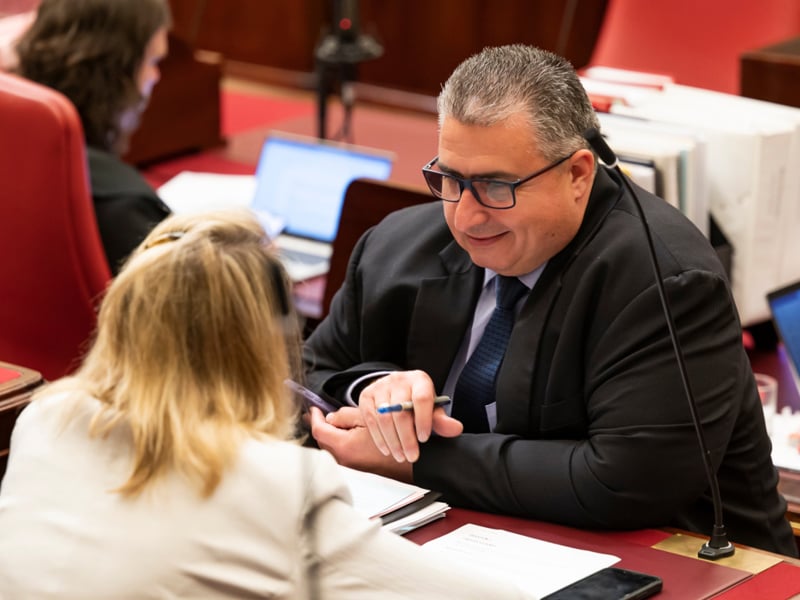
Yet much of this effort happens away from public view. When an enquiry is resolved or a positive outcome achieved, Tarlamis says it is generally the elected representative who receives the recognition.
‘It’s the member's name on the door,’ he says.
For Tarlamis, recognising the contribution of those working behind the scenes is important.
‘They’re kind of the unsung heroes who are doing the work,’ he says.
Having experienced the role and responsibilities himself, Tarlamis also remains conscious of the pressures facing electorate staff.
When he began 30 years ago, electorate offices typically operated with fewer staff, and dial-up internet was still the norm.
Today, Victorian MPs receive a standard allocation of 2.5 full-time equivalent electorate officer positions. Tarlamis, whose region represents more than 590,000 constituents, believes staffing levels should continue to be reviewed as populations and workloads grow.
Technology has also transformed how electorate offices interact with the communities they serve. Tarlamis says digital communication has created opportunities to liaise more effectively with constituents and streamline everyday processes, but it has also introduced new challenges.
Citing his experience on the Electoral Matters Committee since 2023, he expresses particular concern about ‘a lot of misinformation and disinformation’ circulating on social media and its influence on public debate and democratic participation. The changing environment has also raised questions about the safety of MPs and their staff during community engagement.
Tarlamis says MPs and their staff are facing increasingly confrontational behaviour at public events from groups opposed to their work.
He says this has prompted consideration of how publicly offices advertise their community appearances, despite the noted importance of making elected representatives accessible.
‘We don't want to put our staff at risk,’ he says.
While parliamentary training and staff support have improved considerably since his early years, Tarlamis believes it must continue evolving alongside technology.
His own experience has also inspired him to provide opportunities for the next generation of electorate officers.
Tarlamis says he aims to train his staff to be ‘all-rounders’, encouraging them to develop skills beyond their immediate responsibilities.
Whether drafting correspondence or managing social media, Tarlamis says he hopes to equip his staff with a broad range of skills.
He also actively encourages them to work directly with community organisations, much as he did early in his career, hoping to provide the same exposure that fundamentally shaped his own journey into Parliament.
‘I was fortunate to get that kind of experience when I started,’ he says.
Whether in a local electorate office or the halls of State Parliament, Mihaly and Tarlamis agree the profound value of electorate work lies in the connections it creates between communities and their elected representatives.
While the contributions of electorate officers may not always be visible to the public, Tarlamis believes sustained community advocacy and participation in the democratic process can make a lasting difference.
‘You can chip away at things and see how things change progressively over time.’
About the Author

Tilly Readford
A participant in the Parliament Express program conducted by the Parliament of Victoria in partnership with Express Media. The program provided mentoring and engagement experiences, leading to a series of articles written by young Victorians for the Victorian Parliament's website.