The journey from idea to law
18 November 2026

Every bill begins with an idea, but its journey into law is shaped by the communities, politicians, stakeholders and journalists who influence what change looks like.
Kieran Rooney, the President of the Press Gallery and The Age’s Victorian state political reporter, has been watching bills enter the parliament for years.
‘There are many different things that make a bill, sometimes it's government policy, which they take to an election,’ he said. ‘Sometimes it's community sentiment, sometimes it's the personal beliefs and opinions of the MPs.’
Bills are the fundamental building blocks of real change that shape our state, and they all have one thing in common: they start with an idea.
For Natalie Hutchins, retiring member of the Victorian Legislative Assembly and former Minister in the Labor government, the Treaty Bill is the proudest moment of her 16-year career as a legislator.
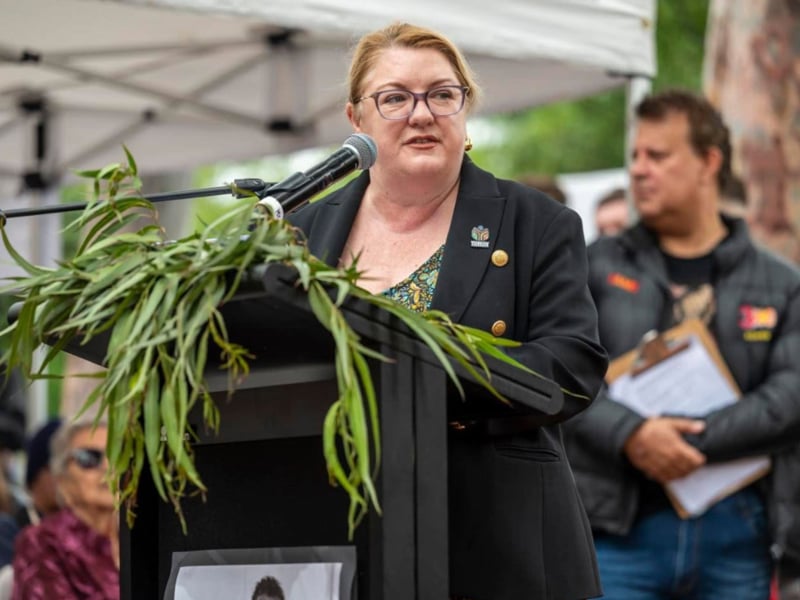
Victoria's Statewide Treaty is the first of its kind nationally. It was a bill developed in partnership with the First Peoples’ Assembly of Victoria.
Whilst the process for treaty began in 2016, Ms Hutchins worked as the Minister for Treaty and First Peoples from October 2023 to December 2024.
‘The call for the concept of treaty came from Aboriginal people and community consultation,’ she said. ‘Bills come from a need in the community, genuine need.’
But how does an idea get through parliament’s doors? According to Mr Rooney, the media plays an undeniable role.
‘What's in the paper every day, that sets the debate for what everyone's talking about,' he said.
‘The media often plays a very important role in not only identifying the issue, reporting on the issue, demanding the government do something about it, but then sort of dissecting or analysing what legislation should look like or whether there's a need for legislation.’
When a bill is in its early stages of development, Ms Hutchins sees community consultation as one of the most important steps.
‘I believe in a deliberative democracy, where you're really going out and getting buy-in at a very early stage about the details of a bill or a change to a bill,’ she said.
She also advocated for the accessibility of new bills.
‘Quite often a draft bill would come up with such in-depth language that people wouldn't be able to understand it.
‘Making sure that we keep as much as we can to plain English that is accessible for people to be able to utilise and not just legal jargon, as a politician, for me, it's really important that it's usable.’
Similar to Ms Hutchins, Legislative Council member Rachel Payne, who represents the Legalise Cannabis Party, sees community need as a key driver of new laws, citing the example of pill testing legislation brought before parliament.
‘We had a few festivals over that summer period where we had a lot of overdoses and some people lost their lives,’ she said.
‘I think what I identified, particularly around specifically that pill testing bill, was that some things are just above politics.’
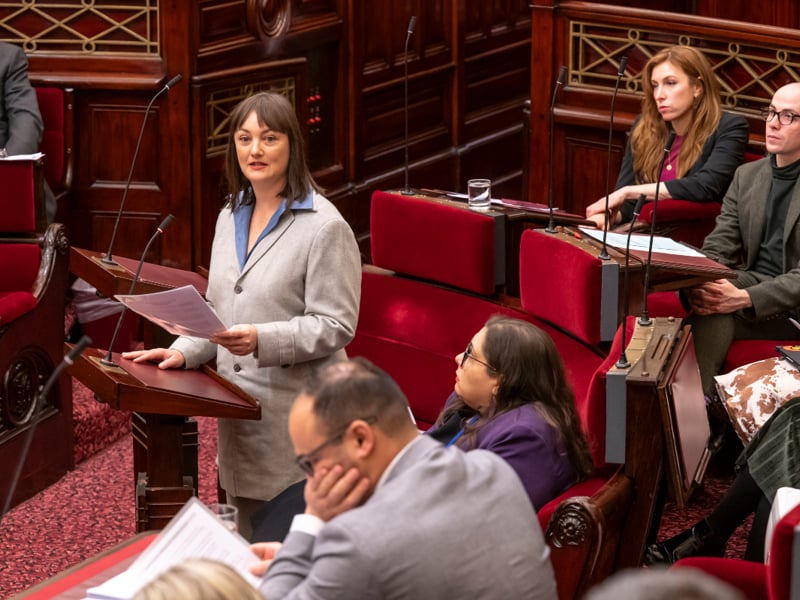
While the campaign took off, consultations with professionals was also vital in the development of the bill.
‘Stakeholder engagement is so important, because they're the ones on the ground dealing with people directly, and they essentially tell you what they need to do their job effectively, so you try and acquire as much information from stakeholders as you can,’ she said.
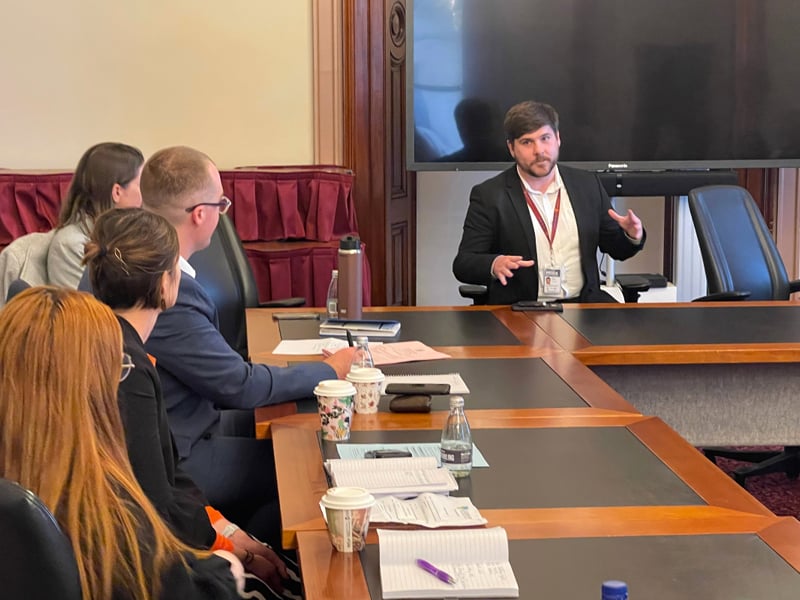
Kieran Rooney covered the story at the time.
‘The media narrative was a bit more urgent,’ he said.
‘We had a perfect storm for legislative change. You had an actual, for lack of a better word, crisis or emergency that needed to be dealt with.’
The Drugs, Poisons and Controlled Substances Amendment (Pill Testing) Bill 2024 was introduced into parliament on the 10th of September, and just one month later the third and final reading of the bill passed on the 29th of October.
This meant that drug-checking services could be established, licensed and regulated in Victoria. The services would inform users on the composition of drugs and advise them on harm reduction advice in a safe environment with the goal of reducing the number of preventable deaths associated with drug use.
‘That all wouldn’t have happened, I don’t think, if it wasn’t for the sort of stakeholders pushing for media reporting on it, people in government deciding, okay we need to actually do something about it,’ Mr Rooney said.
‘I think it's very much a success story on working together collaboratively, and about community,’ Ms Payne said.
While bills may start with an idea sparked from community need, the process of shaping those ideas into actionable legislation is no easy feat.
About the Author

Ella Bryson-Sabec
A participant in the Parliament Express program conducted by the Parliament of Victoria in partnership with Express Media. The program provided mentoring and engagement experiences, leading to a series of articles written by young Victorians for the Victorian Parliament's website.