Growing the future: how Victorian horticulture is embracing innovation
28 August 2026
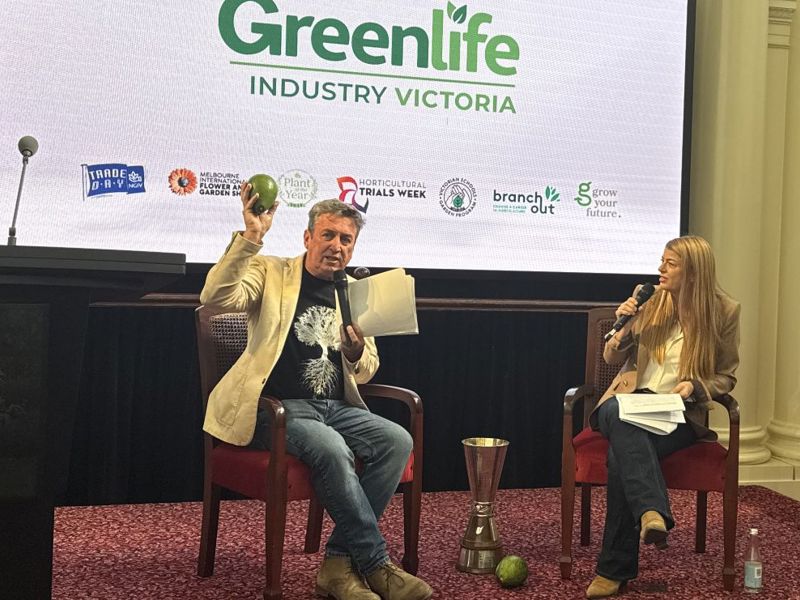
From climate-controlled greenhouses and robotics to home-grown avocado varieties that could transform supermarket shelves, Victoria's horticulture sector is proving that agriculture and innovation go hand in hand.
At a recent Greenlife Industry Victoria showcase at Parliament House, industry leaders highlighted how technology, plant breeding and advanced production systems are reshaping the way food and plants are grown across the state.
The message was clear: horticulture is becoming increasingly sophisticated, sustainable and productive, helping Victorian growers meet consumer demand while tackling challenges such as labour shortages, climate variability and resource efficiency.
Today much of the horticulture sector is moving towards highly-controlled production environments that resemble advanced manufacturing facilities.
Powerplants Australia, a horticultural technology company, is at the forefront of this transformation. The company supplies climate-controlled greenhouses, automation systems and robotics that help growers improve productivity while reducing labour-intensive, repetitive tasks.
According to its former director Simon Gomme, nursery and horticulture businesses are increasingly viewing themselves as manufacturers of living products.
‘You're using more manufacturing principles and equipment,’ he said.
‘Automation can take on repetitive tasks and allow workers to move into more skilled roles operating machinery and technology.’
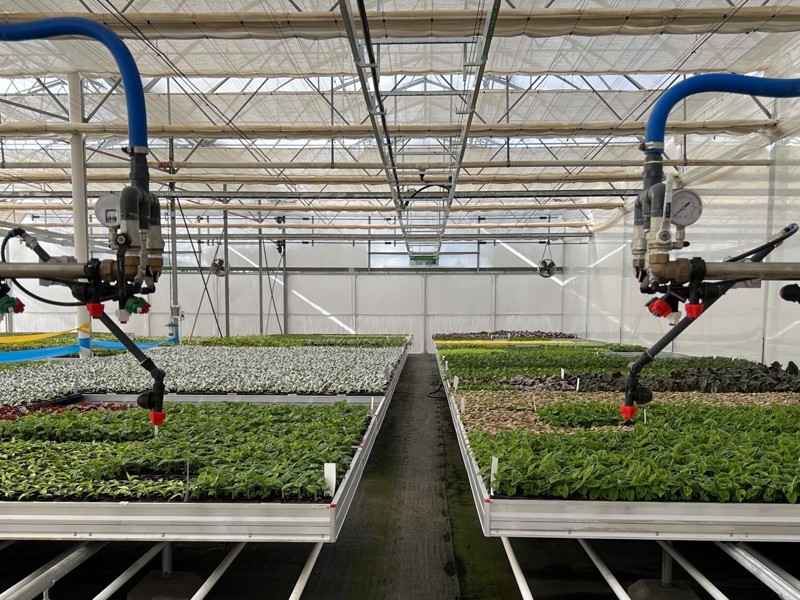
The result is a sector that relies not only on traditional horticultural knowledge but also on engineering, software and automation expertise.
One of the biggest advantages of modern greenhouse technology is the ability to control growing conditions.
Across Melbourne's eastern and south-eastern regions, a growing number of nurseries operate climate-controlled facilities capable of maintaining optimal temperatures throughout the year. These environments allow growers to produce plants and crops regardless of seasonal weather conditions.
Plants that traditionally thrive only in warm, humid conditions can now be grown locally rather than transported long distances from interstate. Houseplants that may once have been trucked from Queensland, for example, can increasingly be produced in Victoria under carefully managed conditions.
The benefits extend beyond ornamental plants. Protected cropping systems are now widely used for vegetables, berries and other high-value crops.
Protected cropping has emerged as one of the most significant innovations in Australian horticulture over the past two decades.
Hydroponic tomato operations and other greenhouse vegetable producers can generate dramatically higher yields than traditional field-grown crops while using fewer inputs.
Because crops are produced in controlled environments, growers are less vulnerable to drought, extreme rainfall and other weather-related disruptions.
Not all innovation comes from technology. Sometimes it comes from patience.
That’s the case with the development of the Jala avocado, a giant Australian-bred variety being commercialised by Fleming's Nurseries in Monbulk.
The avocado's story began more than 30 years ago when Queensland property owners noticed a self-sown avocado tree whose fruit was noticeably larger.
What followed was a decades-long process of evaluation and commercial development.
Unlike genetically modified crops, the Jala avocado emerged through conventional breeding and natural selection. The process demonstrates the extraordinary timeframes often involved in horticultural innovation.
‘It takes 20 to 30 years to actually find something and commercialise it,’ said Daniel Jansen of Fleming's Nurseries.
Today, around 12,000 Jala avocado trees have been distributed across Australia, with trials underway in multiple states, including Victoria.
At up to 1.7 kilograms, the Jala avocado attracts attention because of its size, but its most significant feature may be its shelf life.
Unlike conventional avocados that quickly brown once cut, the Jala variety remains fresh significantly longer after slicing. Industry trials have shown that cut fruit can maintain its colour and quality for days, making it attractive for households, food service businesses and retailers.
The fruit also offers a high flesh-to-seed ratio, with approximately 900 grams of edible flesh from a single avocado.
However, consumers are unlikely to see Jala avocados widely available in supermarkets immediately. Given the lengthy process of cultivating and expanding commercial orchards, industry experts estimate it may be another five to ten years before large-scale retail availability is achieved.