Where democracy meets history
30 September 2026
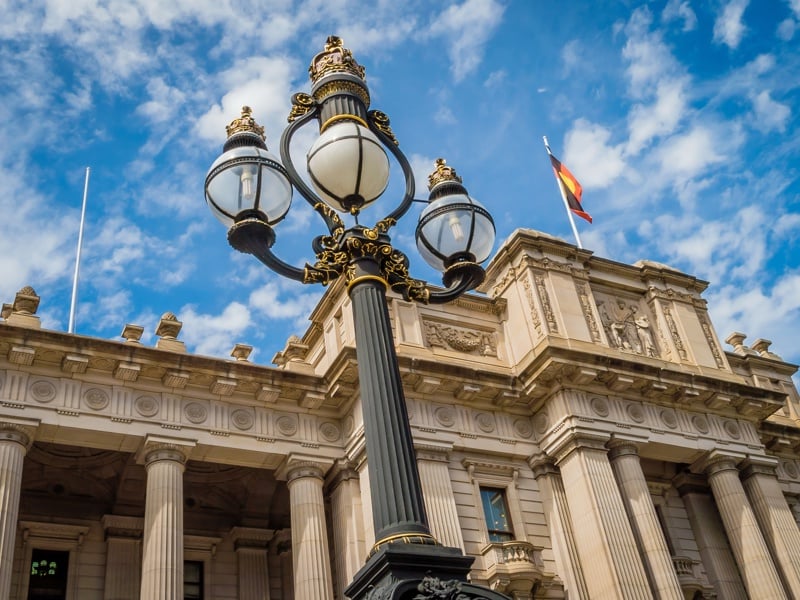
Victoria's Parliament stands on a site with thousands of years of history as a place of gathering and decision-making. Today, MPs are grappling with what that legacy means for representation.
At the top of Parliament House steps, Melbourne stretches out below. Inside, 128 elected representatives debate laws affecting more than six million Victorians. But beneath the building's political history lies another story, one that stretches back thousands of years.
Long before politicians discussed legislation inside Parliament House, Aboriginal people gathered on the same ground to make decisions, resolve disputes and maintain relationships.
For Sheena Watt, the state's only Indigenous member of Parliament, the history of the place is impossible to separate from the work she now does inside it.
‘I have the enormous weight on my shoulders of knowing where Parliament sits now is a place where Mob made their decisions for a really long time, and then it stopped,’ she says.
Sheena identifies with her Yorta Yorta heritage and became a Member of the Legislative Council for the Northern Metropolitan Region in 2020.
‘The work that I do, the leadership that I show is about honouring that promise that sat on my shoulders. I want to be the one that doesn’t put out the tiny flame that just reignited.’
This representation of an Aboriginal voice within this meeting place of democracy is crucial for allowing Parliament to represent many different kinds of people as a central gathering place for its population.
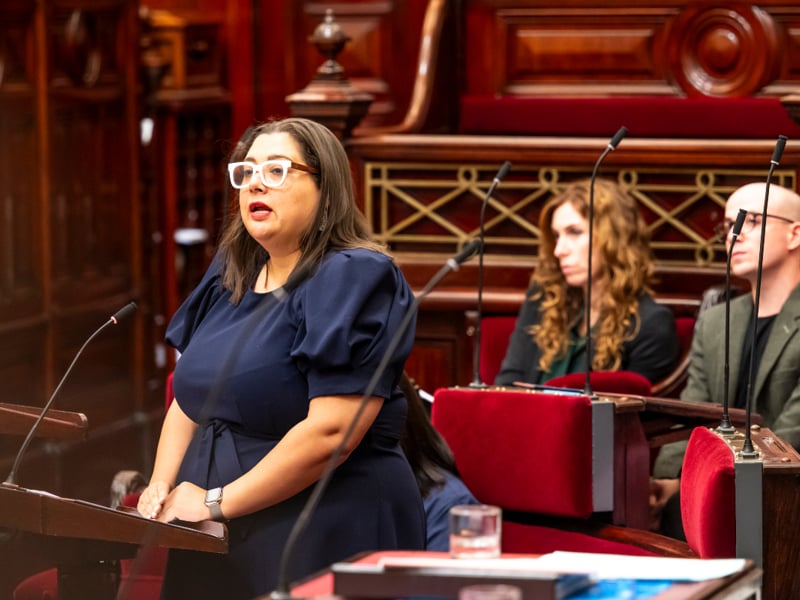
When asked about the significance of Parliament as a place, Sheena was able to reflect deeply upon both the cultural legacy of before and the contemporary nature of today.
‘There is a significance in the place where it is, when it was an Aboriginal meeting place and then the significance of that place now in our city. There's nothing quite like standing at the top of the stairs and looking over Melbourne and knowing that this is the building where the decisions are made about all the people that live here. It is a building that has pride of place in our city.’
For Sheena, Parliament's meeting place carries the weight of a history interrupted. For Gippsland MP Melina Bath, the challenge is different: making sure people who live hundreds of kilometres away are still heard inside it.
‘Regional Victorians make up 25 per cent of the population. I would like to see a renewed, continued and, if possible, a greater respect and understanding for our regions. That’s not saying that regional Victorians are better than anyone else, but we want to be recognised for our significant value and contribution to our economy, vibrancy, tourism and the quality of Victoria.’
Melina also recognises the cultural significance of having a legacy of landmarks that served as Aboriginal meeting and ceremony grounds.
‘Wilson’s Promontory has been a great meeting place for Traditional Owners for millennia and a place of spirituality as well. I think our Traditional Owners have felt and breathed and lived meeting places across what we call Gippsland now.’
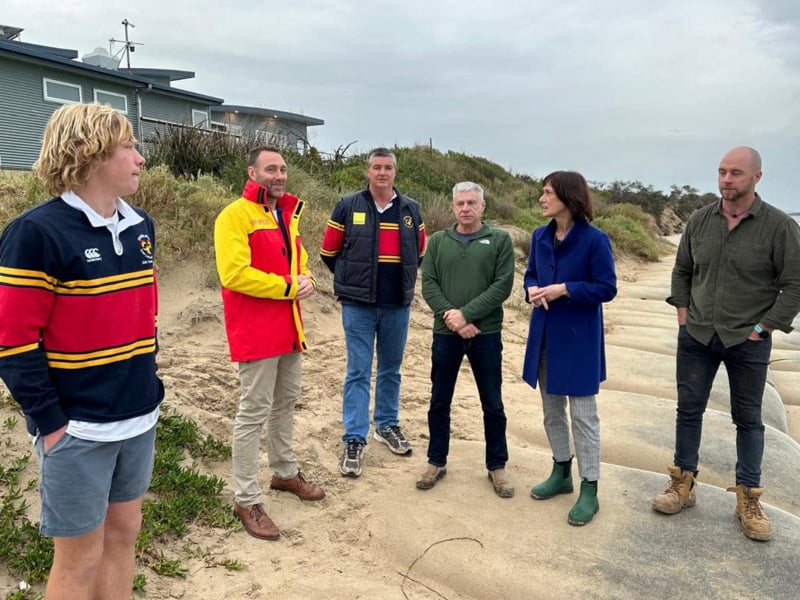
When reflecting on the importance and significance of Parliament as a location, Melina understands its strong and enduring legacy.
‘Look, we need it. We need to have a central location and Parliament House is 170 years old. When I come to Parliament, I bring the issues that are impacting people in the Eastern Victoria Region. That’s my job, to bring that connection of those issues, many and varied, into Parliament to be their voice.’
When asked whether it was the people or place that gives Parliament its significance Melina indicated the importance lay in the relation between them.
‘Well I think it’s both. This is a building that has presence, to have a debate and gravitas of the issues of the day, you need a place. But you also need people. The 128 people at any one time are bringing their ideas, ideals and representation from their regions and electorates.’
The purpose of Parliament as a meeting place remains familiar: to bring people together, to argue over what matters and, ultimately, to decide what comes next.
For Sheena, perhaps the most important measure of whether Parliament is truly representative will be who walks through its doors after her.
‘I would hope that I’ve done justice to the opportunity with my service to Parliament and that I’ve helped open the doors to the one that comes after me. The greatest tragedy would be if there was not another Aboriginal person to serve in that Parliament.’
The meeting place has changed. The question of who gets to belong in it is still being decided.
About the Author

Patrick Bolt
A participant in the Parliament Express program conducted by the Parliament of Victoria in partnership with Express Media. The program provided mentoring and engagement experiences, leading to a series of articles written by young Victorians for the Victorian Parliament's website.